
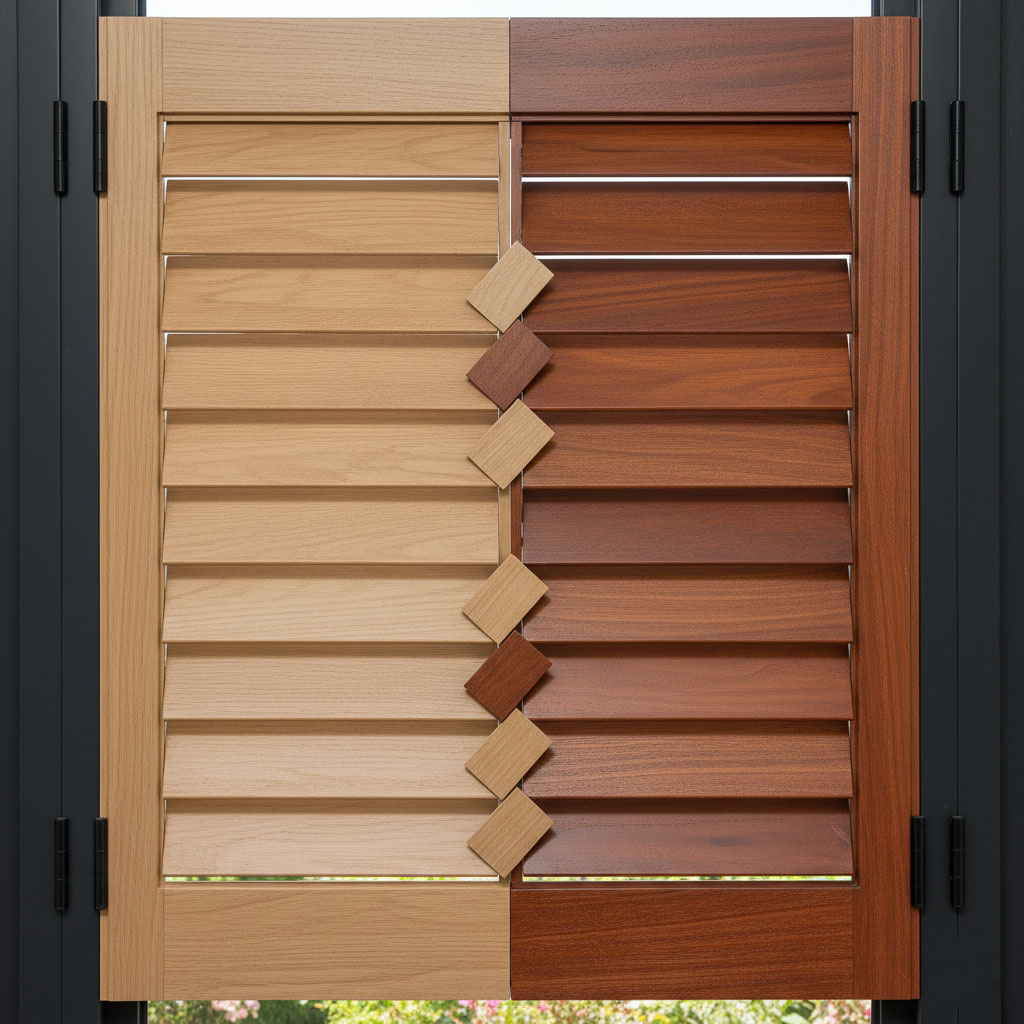
When it comes to choosing shutters for your home, the decision often comes down to two main materials: real wood and faux wood. Both options have their unique advantages, and understanding the key differences can help you make the right choice for your property.
In the UK, where weather conditions and interior design styles vary widely, the material you choose can affect not only your home’s aesthetics but also its durability and maintenance needs. Whether you’re renovating a traditional townhouse in Edinburgh or updating a modern flat in London, knowing how faux wood and real wood shutters compare will help you invest wisely in both style and function.
Understanding Real Wood Shutters
Real wood shutters are crafted from natural timber, offering an authentic and elegant finish that never goes out of style.
- Natural Beauty: Each shutter is unique, showcasing the natural grain, texture, and colour variations of real wood.
- Lightweight Yet Strong: Despite being sturdy, wooden shutters are relatively lightweight, making them easy to install and operate.
- Customisable Finishes: They can be painted, stained, or left natural to match your home décor perfectly.
- Excellent Insulation: Wood provides natural thermal insulation, helping to maintain comfortable indoor temperatures year-round.
- Premium Appeal: Real wood shutters add a luxurious touch to your interiors, often increasing your home’s overall value.
They are ideal for living rooms, bedrooms, or any space where you want a refined, traditional feel that enhances the overall ambience.
Exploring Faux Wood Shutters
Faux wood shutters, also known as composite or PVC shutters, are designed to mimic the look of real wood while offering enhanced durability and moisture resistance.
- Durable and Long-Lasting: Made from high-quality synthetic materials, faux wood shutters resist cracking, warping, and fading.
- Moisture-Resistant: Perfect for bathrooms, kitchens, or conservatories where humidity levels are high.
- Easy to Clean: They require minimal maintenance — a simple wipe with a damp cloth keeps them looking new.
- Budget-Friendly Option: Faux wood shutters are generally more affordable than real wood while offering a similar aesthetic.
- UV-Resistant Finish: Many faux wood designs include a protective coating to prevent yellowing or discolouration over time.
They’re an excellent choice for busy households or rooms exposed to moisture and fluctuating temperatures.
Comparing Durability and Maintenance
One of the most important factors to consider when choosing between real and faux wood shutters is how they stand up to daily use and environmental conditions.
- Real Wood: While durable, real wood can be sensitive to humidity and may warp or crack in damp conditions if not properly sealed. Regular dusting and occasional refinishing are recommended to preserve their appearance.
- Faux Wood: Designed to handle moisture and heat, faux wood shutters require very little upkeep. They don’t warp, peel, or fade easily, even in high-humidity environments.
- Maintenance Tip: In the UK’s unpredictable climate, consider using real wood shutters in well-ventilated, dry rooms and faux wood in kitchens or bathrooms.
- Cleaning Routine: Both types can be maintained with a soft cloth or vacuum brush attachment, but faux wood needs less frequent attention.
If low maintenance and long-term durability are priorities, faux wood is the more practical option. However, for those who value authenticity and craftsmanship, real wood remains unmatched.
Style and Aesthetic Differences
Both materials can enhance the visual appeal of your home, but they differ slightly in texture and finish.
- Natural Texture: Real wood offers an organic, tactile feel that’s difficult to replicate, making it a favourite among homeowners who appreciate craftsmanship.
- Smooth Consistency: Faux wood shutters provide a sleek, uniform appearance ideal for modern or minimalist interiors.
- Custom Colours: Both types can be customised in a range of paint or stain finishes, allowing for complete design flexibility.
- Timeless Versatility: Real wood complements period properties beautifully, while faux wood suits contemporary spaces.
- Design Options: Whether you prefer plantation, café-style, or full-height shutters, both materials can be tailored to your window’s size and shape.
Ultimately, your choice depends on the atmosphere you want to create — natural charm with real wood or clean modernity with faux wood.
Cost, Value, and Environmental Impact
Budget and sustainability are also key factors in your decision-making process.
- Initial Cost: Real wood shutters tend to be more expensive due to the quality of materials and craftsmanship involved.
- Long-Term Value: While faux wood is more affordable upfront, real wood shutters can add greater resale value and prestige to your home.
- Eco-Friendly Choices: Many real wood shutters are made from responsibly sourced timber, while faux wood options are often recyclable and more sustainable for long-term use.
- Energy Efficiency: Both offer excellent insulation, potentially reducing heating costs in colder months.
- Longevity: Faux wood can outlast real wood in humid environments, but with proper care, both types can last for decades.
In essence, the decision between real and faux wood often comes down to balancing budget, aesthetics, and environmental preferences.
Whether you prefer the timeless elegance of real wood or the practical resilience of faux wood, both options bring beauty and functionality to your home. Real wood shutters deliver unmatched natural warmth and sophistication, while faux wood offers affordability and durability that suit modern living.
In the UK’s varied climate, many homeowners choose a combination — real wood in living areas and faux wood in moisture-prone spaces. By weighing your style preferences, maintenance needs, and budget, you can select shutters that not only look stunning but also stand the test of time.
