
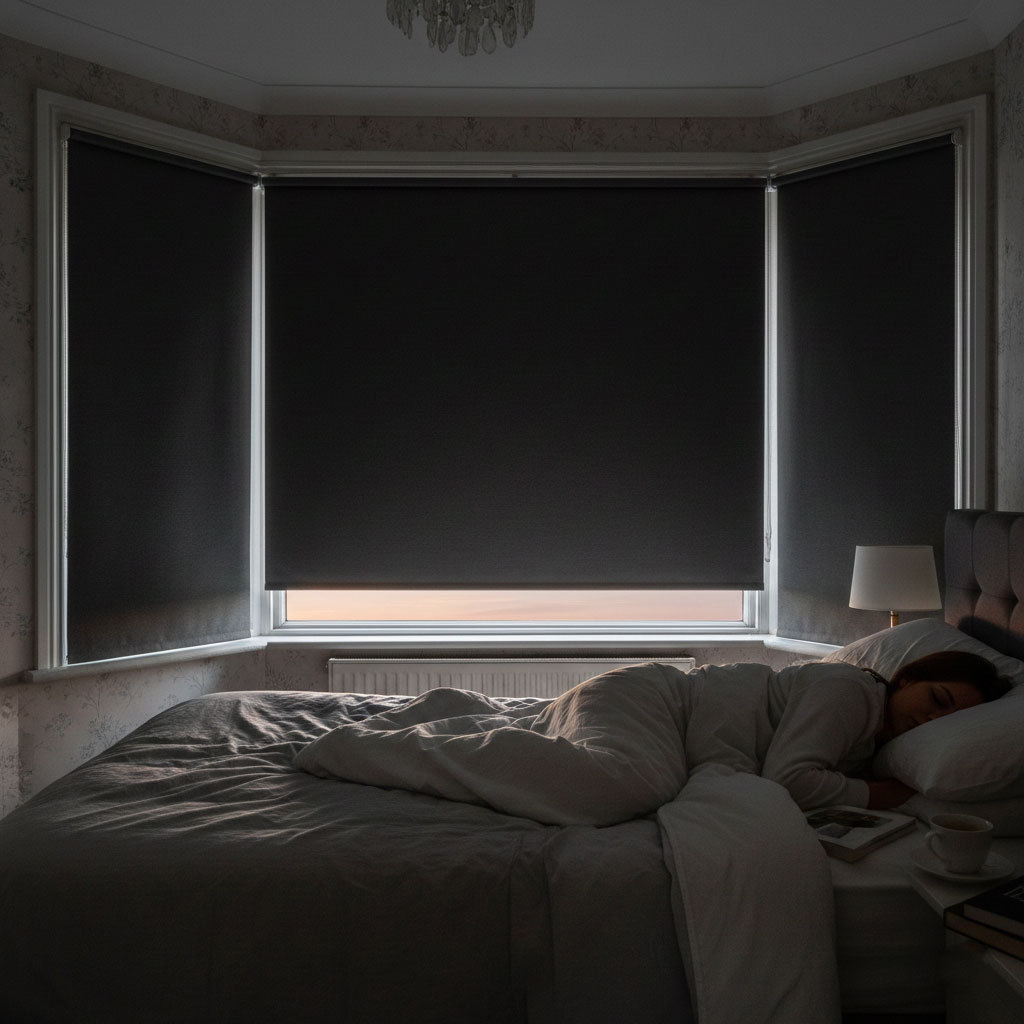
Early sunrises are a familiar part of life in the UK, especially during the summer months when daylight can begin as early as 4am. While longer days offer more opportunities to enjoy the outdoors, they can also disrupt sleep for adults, children, and shift workers.
Too much early morning light often leads to restless nights, earlier wake-ups than desired, and difficulty maintaining a healthy sleep routine.
Choosing the right window treatment is one of the most effective ways to manage bright early mornings. Blackout blinds are often recommended for controlling light levels, but many homeowners wonder if they are truly the best solution.
Understanding the benefits, limitations, and alternatives can help you make a well-informed decision tailored to your home and lifestyle.
Why Blackout Blinds Are a Popular Choice
Blackout blinds are widely used across UK homes because they are highly effective at blocking out natural light.
- Designed with thick or coated fabrics that prevent sunlight from passing through
• Ideal for bedrooms, nurseries, and home cinemas where darkness is essential
• Help maintain sleep cycle consistency, especially during bright summer mornings
Their ability to reduce external light makes them one of the most practical solutions for anyone struggling with early sunrises.
Limitations to Consider Before Choosing Blackout Blinds
While blackout blinds offer excellent light control, there are some factors to think about before installing them.
- Light can still seep around the edges if blinds are not fitted precisely
• Some people find total darkness disorienting when waking during the night
• Certain designs may trap heat, making rooms warmer during summer
These considerations highlight why proper measurement and professional installation can significantly improve the effectiveness of blackout blinds.
Alternative Options That Also Help Manage Early Sunrises
Blackout blinds are not the only solution for controlling sunlight, and some homes may benefit from different approaches.
- Dim-out blinds reduce light while maintaining a softer ambience in the room
• Blackout curtains offer additional coverage around edges and reduce light gaps
• Day and night blinds allow adjustable light control throughout the day
These alternatives can be used alone or layered with blackout blinds to create the ideal balance of darkness and comfort.
Practical Tips for Maximising Light Control in UK Homes
Regardless of which blinds you choose, certain practices can help improve sleep and reduce morning brightness.
- Combine blinds with curtains to eliminate perimeter light leakage
• Choose side channels or frames for blackout roller blinds for full coverage
• Opt for lighter colours in rooms that retain heat easily to reduce warmth build-up
These small adjustments can make a noticeable difference in how effectively your room remains dark during early sunrise hours.
Ideal Rooms and Situations for Using Blackout Blinds
Blackout blinds bring benefits to specific rooms and lifestyles, making them especially suitable in certain cases.
- Bedrooms, especially for toddlers and young children, who are easily woken by light
• Shift workers who sleep during daytime hours
• Media rooms where glare reduction is essential for screens and projectors
Understanding where blackout blinds work best ensures they deliver the most value and comfort in your home.
Why Blackout Blinds Are Worth Considering for Brighter Mornings
Blackout blinds offer unmatched light control, making them a strong choice for UK homeowners dealing with early sunrises. Their ability to block light, improve sleep quality, and support daily routines makes them a highly practical solution.
While alternatives such as dim-out blinds and layered window treatments can also be effective, blackout blinds remain the most reliable option for creating a dark, restful environment. With the right fit and installation, they can significantly enhance comfort and sleep throughout the brighter months, helping your home feel more peaceful and controlled.
