
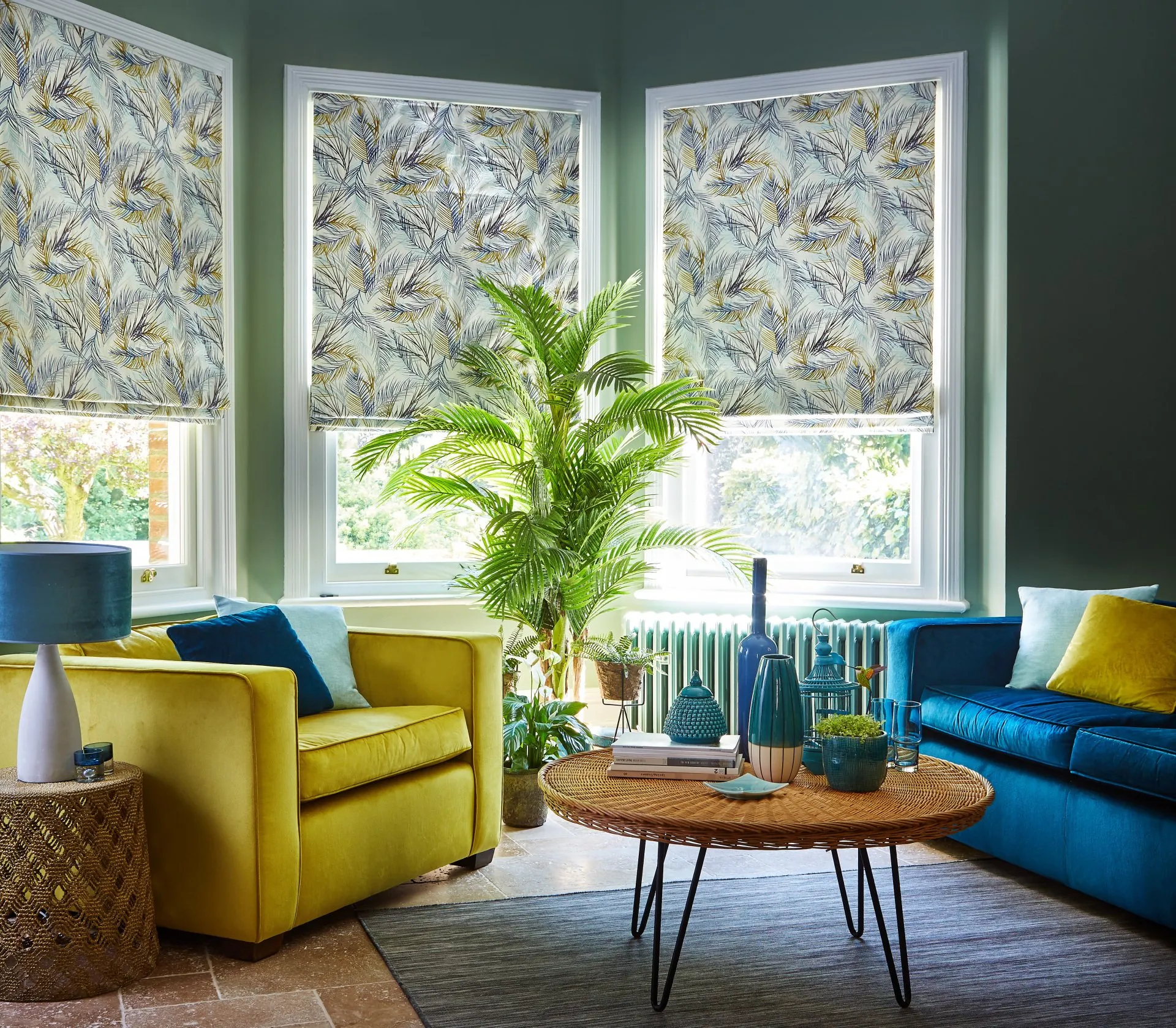
For many UK homeowners, a south-facing lounge or a sun-drenched conservatory is a dream feature. Yet, the psychological warmth of the sun hides a destructive secret for your furnishings. Ultraviolet (UV) radiation is responsible for roughly 40% of all fading damage, and in the UK, even on overcast days, UVA rays penetrate standard window glass with ease.
Over time, this exposure breaks down the chemical bonds in fabric dyes and weakens the structural integrity of wood and leather. Investing in quality blinds and shutters is not merely about aesthetic appeal or privacy; it is a vital conservation strategy for your home.
By choosing the right window treatments, you can create a protective barrier that significantly extends the life of your sofas, antiques, and flooring.
Understanding the UV Threat to UK Furnishings
The sun’s rays consist of visible light, infrared heat, and invisible ultraviolet radiation, all of which contribute to the “bleaching” effect seen on carpets and upholstery. In the UK, we often underestimate this risk during the spring and autumn when the air is cool, but the solar glare is still intense.
- UVA vs. UVB: While most glass blocks UVB (the rays that cause sunburn), up to 75% of UVA rays pass through, leading to long-term fading.
- Material Sensitivity: Natural fibres such as silk, wool, and linen are particularly vulnerable to becoming brittle in direct sunlight.
- Photodegradation: This is the chemical process where light energy breaks down the molecular bonds in your furniture’s finish.
Without a physical barrier, a vibrant velvet sofa can lose significant colour intensity in as little as two years. High-quality window dressings act as “SPF for your home,” reflecting or absorbing these rays before they reach your valuables.
Shutters: The Permanent UV Shield
Shutters are widely considered the most effective long-term solution for sun protection due to their robust construction and adjustable louvres. Because they are a solid fixture, they offer a total block when closed and highly directional control when tilted.
- Louvered Precision: You can angle the slats to bounce sunlight towards the ceiling, illuminating the room while keeping direct rays off the furniture.
- Built-in UV Inhibitors: Quality shutters are finished with multiple layers of paint or stain that include UV-resistant coatings to prevent the shutters themselves from yellowing.
- Complete Coverage: Unlike some blinds, shutters fit flush to the frame, eliminating the “light gaps” that can cause localized fading strips on carpets.
For those with valuable antiques or hardwood flooring, shutters provide a permanent architectural shield. They allow you to enjoy a bright, airy room without placing your interior investment “in the line of fire.”
Performance Fabrics and Solar Reflective Coatings
Modern blind technology has moved far beyond simple aesthetics, with many fabrics now engineered specifically for solar control. In the UK, “Advanced Solar Control” (ASC) coatings are a popular choice for both roller and vertical blinds.
- Reflective Backings: These specialised coatings reflect a high percentage of both UV and infrared light back out through the window.
- Screen Fabrics: Often used in home offices, these allow a view outside while filtering out up to 99% of harmful radiation.
- Honeycomb Cells: These not only provide thermal insulation but also offer multiple layers of fabric for the sun to penetrate, greatly reducing light damage.
Choosing a blind with a high UV-rating ensures that you aren’t just darkening the room, but actively filtering the specific wavelengths that cause the most damage. This is especially useful for large patio doors where the glass surface area is significant.
The Role of Dimout and Blackout Options
While any barrier is better than none, the density of the material dictates the level of protection. For rooms that house particularly sensitive items, such as art or delicate textiles, the “opacity” of your blind is a crucial factor.
- Blackout Linings: These provide 100% UV protection when closed, making them ideal for bedrooms or rarely used formal sitting rooms.
- Dimout Fabrics: These reduce the “visible light” component of fading (which accounts for about 25% of damage) without leaving you in total darkness.
- Sheer Voiles: While they offer a softer look, sheer blinds only diffuse light; they should be paired with UV-rated coatings for genuine protection.
If you have a west-facing room that catches the harsh afternoon sun, a blackout or heavy dimout blind is your best defence. Closing these during the peak sun hours can save you thousands in reupholstery costs over the years.
Smart Automation for Proactive Protection
One of the biggest hurdles to protecting furniture is the human element—forgetting to close the blinds when you leave for work. Smart motorised blinds solve this by reacting to the environment even when you aren’t there.
- Sun Sensors: Blinds can be programmed to close automatically when the sun reaches a certain intensity.
- Timer Schedules: Set your window dressings to follow the sun’s path, protecting the east side of the house in the morning and the west in the evening.
- Remote Access: Check and adjust your blinds from an app if you notice an unexpected heatwave while away from home.
Automation ensures that your home is protected 365 days a year. It removes the guesswork and ensures that your furniture is never left exposed to the most damaging midday glare.
Future-Proofing Your Home Against Sun Damage
The cost of replacing faded hardwood floors or a bespoke upholstered suite far outweighs the investment in high-quality window treatments. By integrating shutters or UV-rated blinds into your interior design, you are implementing a long-term conservation plan for your home.
These products work silently in the background, preserving the vibrancy of your decor and the structural integrity of your furniture. Whether you opt for the timeless durability of louvered shutters or the high-tech performance of solar-reflective rollers, the result is a home that stays beautiful, comfortable, and protected for a lifetime.
