
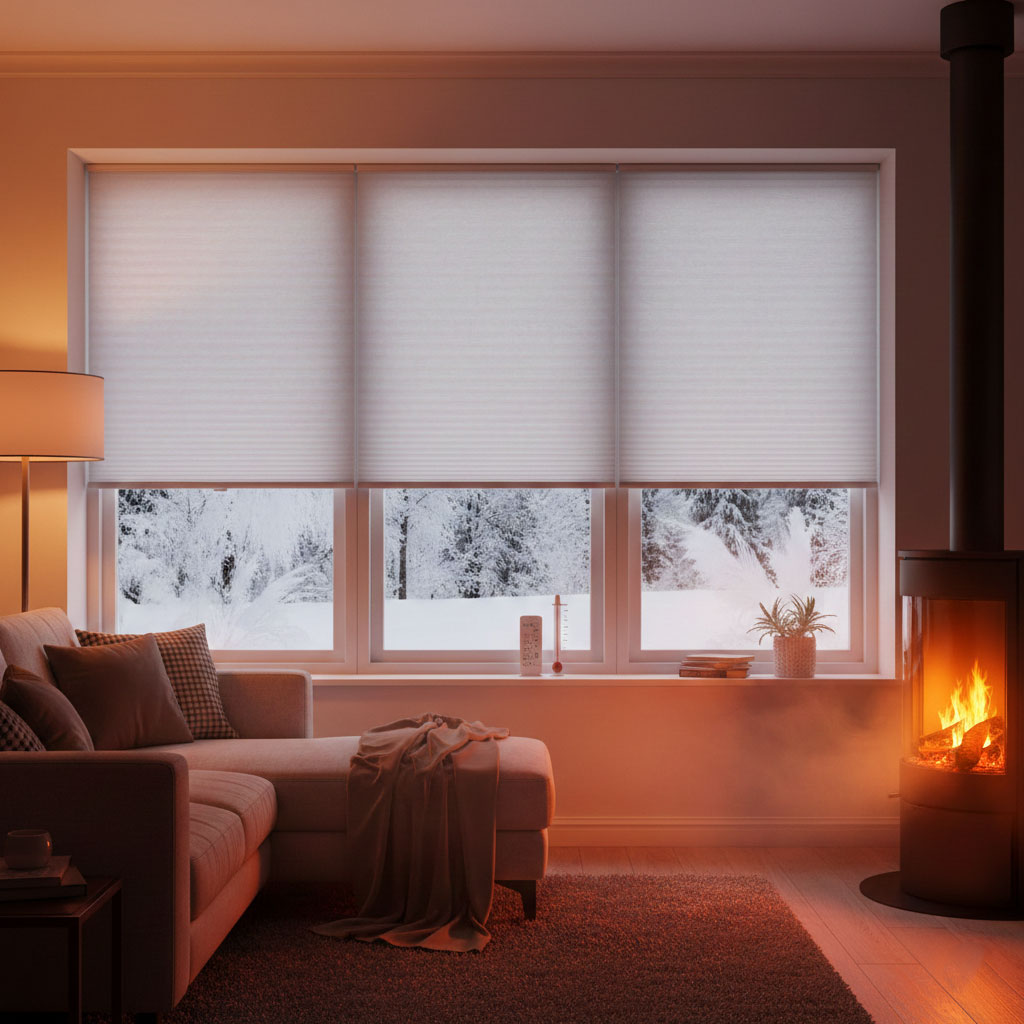
As UK winters grow colder and energy prices continue to rise, many homeowners are searching for affordable ways to improve insulation and reduce heat loss. Windows are one of the biggest sources of draughts and energy inefficiency, allowing warm air to escape and cold air to seep in.
While double glazing and proper sealing are essential, window blinds also play an important role in winter insulation.
The right type of blinds can create an additional thermal barrier, helping keep your home warm, comfortable, and more energy-efficient during the coldest months. Understanding how blinds contribute to insulation—and which styles work best—can make a noticeable difference in your energy usage and indoor comfort.
How Blinds Help Reduce Heat Loss
Blinds can significantly improve thermal performance by creating a layer of insulation between the window and the room.
- They block cold draughts that enter through window gaps
• They trap warm air inside, preventing unnecessary heat loss
• They can help reduce reliance on central heating during peak winter periods
This added insulation helps rooms feel warmer for longer, especially in older UK homes where window efficiency may be limited.
Best Types of Blinds for Winter Insulation
Some blinds provide far better insulation than others due to their design and materials.
- Thermal roller blinds are designed with insulated fabrics to retain heat
• Honeycomb or cellular blinds trap air within their pockets, forming a powerful insulating layer
• Roman blinds offer thick fabric folds that help reduce draughts and cold spots
Choosing blinds with insulating properties can significantly increase your home’s warmth and energy efficiency during winter.
Additional Features That Boost Insulation Performance
Beyond the blind type itself, certain features can enhance thermal protection even further.
- Side channels or tight-fitting frames help minimise gaps where cold air can enter
• Lined or interlined fabrics provide extra warmth, especially in Roman blinds
• Layering blinds with curtains creates a stronger insulating barrier
These enhancements are particularly beneficial for homes in windy or exposed areas, where windows lose heat more quickly.
Room-Specific Recommendations for Better Insulation
Different rooms in the home may require specific blind types depending on their exposure, size, and use.
- Bedrooms benefit from blackout thermal blinds for warmth and improved sleep comfort
• Living rooms with large windows or patio doors perform best with layered blinds and curtains
• Kitchens and bathrooms should use moisture-resistant thermal blinds to avoid condensation issues
Tailoring your choice ensures the best insulation results for every space in your home.
Helpful Winter Energy-Saving Tips to Pair with Blinds
Blinds work even better when combined with additional energy-saving practices.
- Close blinds as soon as the sun sets to lock in daytime warmth
• Open blinds during sunny winter days to naturally heat your home
• Seal window frames and check for draughts to improve overall insulation
These simple habits enhance the insulating power of blinds and help reduce heating costs.
Blinds as a Smart Winter Investment
Blinds can play a surprisingly effective role in improving home insulation during UK winters. With options such as thermal roller blinds, honeycomb designs, and lined Roman blinds, homeowners can enjoy better warmth retention and reduced energy usage.
When paired with good habits and proper installation, blinds become a valuable addition to any winter insulation strategy. Investing in the right blinds not only enhances comfort but also supports long-term energy savings, making them a practical and worthwhile upgrade for the colder months.
