
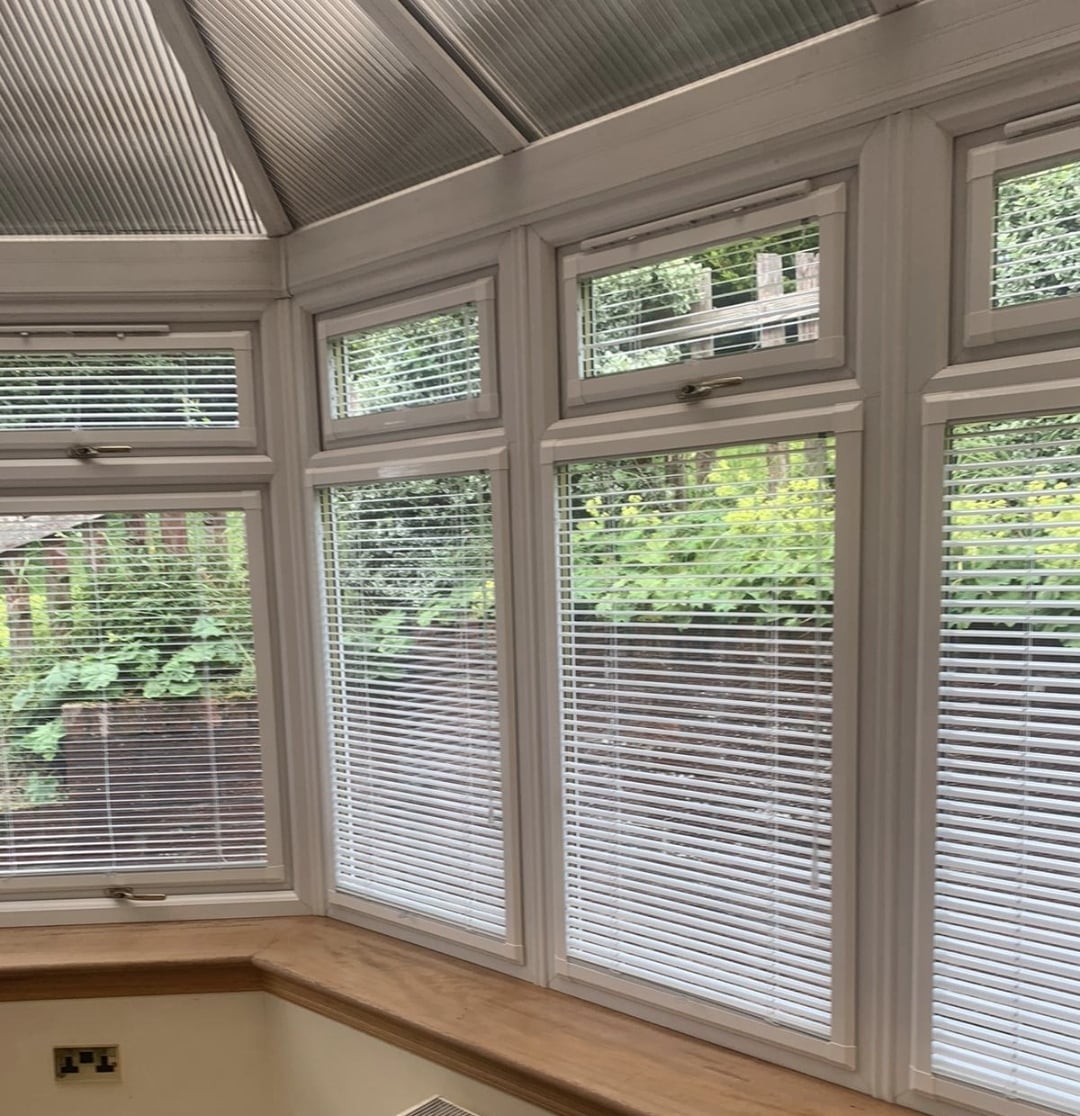
When renovating a home or simply refreshing a room, the durability of window dressings is a primary concern for British homeowners. We often view blinds and shutters not just as aesthetic choices, but as functional investments designed to provide privacy, thermal insulation, and light control for years to come.
In the UK, our unique climate—characterised by damp winters and fluctuating humidity—plays a significant role in how well these products age. Understanding the typical lifecycle of various styles allows you to make an informed decision that balances initial cost with long-term value.
While high-street “off-the-shelf” options might offer a quick fix, quality made-to-measure solutions are engineered to withstand the rigours of daily use and environmental stress.
The Lifespan of Popular Blind Styles
Most high-quality window blinds in the UK are designed to last between 7 and 12 years, though this varies significantly by material. Fabric-based options like rollers and Romans typically sit at the lower end of this scale due to the natural wear of the fibres and potential for sun-bleaching.
- Roller Blinds: Generally last 8 to 10 years; the mechanism often outlasts the fabric.
- Vertical Blinds: Can reach 10 to 15 years, especially as individual louvres can be replaced if damaged.
- Venetian Blinds: Quality aluminium versions often last 10+ years, whereas budget vinyl may become brittle within 5.
- Wooden Blinds: Real timber lasts 10 to 15 years but is sensitive to moisture in bathrooms or kitchens.
The secret to a blind’s longevity often lies in the quality of the internal spring or cord mechanism. A well-engineered system prevents the fabric from fraying and ensures the blind remains level throughout its decade of service.
Why Shutters Are the Ultimate Long-Term Choice
Interior shutters, often referred to as plantation shutters, are considered a permanent fixture and frequently outlast the owner’s tenure in a property. Because they are fixed to a frame and constructed from robust materials, they do not suffer from the mechanical fatigue associated with cords and pulleys.
- Hardwood Shutters: The gold standard, often lasting 20 to 25 years or more with basic care.
- MDF/Composite Shutters: Extremely durable and resistant to chips, typically lasting 15 to 20 years.
- Waterproof (ABS) Shutters: Virtually indestructible in damp environments, offering a 20-year+ lifespan in bathrooms.
- Added Value: Unlike blinds, shutters are often seen as an architectural feature that can increase a property’s resale value.
Shutters are a “fit and forget” solution that provides a timeless aesthetic. Their rigid structure means they won’t warp or sag over large spans, making them the most durable option for the typical British bay window.
Environmental Factors in the UK Home
The British weather and the specific room environment are the biggest “silent killers” of window treatments. Condensation on single or double glazing can lead to mould growth on fabrics, while south-facing windows endure intense UV exposure that degrades cheaper materials.
- Moisture and Damp: Bathrooms and kitchens require PVC, faux wood, or ABS materials to prevent rot and warping.
- UV Protection: Quality products feature UV-inhibiting finishes to prevent the “yellowing” often seen in low-grade plastics.
- Central Heating: Frequent temperature swings can cause real wood to expand and contract; engineered composites are more stable.
Choosing the right material for the specific room is more important than the brand itself. A real wood blind in a steamy bathroom may fail in under three years, whereas a faux wood equivalent in the same spot could easily last twelve.
Maintenance Habits That Extend Life
A little “TLC” goes a long way in stretching the years you get out of your investment. Dust and grime aren’t just unsightly; they can work their way into the moving parts of a blind’s headrail, causing friction and eventual mechanical failure.
- Regular Dusting: Use a microfibre cloth or a vacuum with a soft brush attachment once a fortnight.
- Gentle Operation: Always tilt slats to the open position before raising or lowering a blind to reduce strain.
- Prompt Repairs: Replace a frayed cord or a broken tilt wand immediately to prevent further damage to the internal housing.
- Lubrication: A tiny amount of dry silicone spray on the track or hinges every few years keeps everything gliding smoothly.
By treating your window dressings with care, you can often exceed the manufacturer’s expected lifespan. Most mechanical issues are caused by “forced” operation rather than actual material failure.
Recognising When It’s Time to Replace
Despite our best efforts, all window dressings eventually reach the end of their functional life. Knowing the signs of failure can prevent safety hazards, such as snapped cords, or energy inefficiency caused by poorly fitting slats.
- Visible Warping: If slats no longer close tightly, you are losing heat and compromising your privacy.
- Discolouration: Deep yellowing or “chalky” residue on the surface indicates the material’s structural integrity is failing.
- Stiff Mechanisms: If you have to “tug” or “jiggle” the blind to move it, the internal gears are likely worn down.
- Frayed Edges: On roller or Roman blinds, fraying is a sign that the fabric is no longer tracking correctly.
If your blinds are over a decade old and showing these symptoms, an upgrade is usually more cost-effective than a repair. Modern replacements also offer significantly better thermal properties, helping to lower those UK energy bills.
Securing Your Investment for the Future
When choosing between blinds and shutters, it is helpful to view the purchase through the lens of “cost per year.” While shutters require a higher upfront spend, their twenty-year lifespan often makes them cheaper in the long run than replacing budget blinds every few seasons.
For high-traffic areas or rooms with high humidity, prioritising moisture-resistant materials will ensure your window dressings stay looking pristine regardless of the British weather. Ultimately, a quality, professionally fitted product combined with a simple cleaning routine is the most reliable way to ensure your home stays stylish and comfortable for the next decade and beyond.
